Friday, 15 January 2021

QUICK VISIT TO EL HONDO

 Following on from Tuesday’s trip out with Bryan and in receipt of his photos and after a good look at them Michelle decided she wanted to see her first Jack Snipe. So we zoomed out of bed and zapped down the AP7 and went straight for the lagoon near the information centre. And there it was, virtually in the same place, probing in the mud and with a Little Stint. The brightness made it difficult for Michelle but it was a first for her and a record shot to prove it.


I scoped the lagoon and in the distance a small group of Northern Shovelers - Cuchara Común caught my eye. Resting by them was a Snipe - Agachadiza Comúm, a Purple Swamphen - Calamon and Teal - Cerceta Común. What a lovely little collection! And a Chiff was there too.


Purple Swamphen


On the strung ropes keeping the common people from our priceless birds, an on-show Serin - Verdicillo. What a stunner. 


Serin


We tried Santa Águada but on the way a flooded field. You can't pass one without looking and there among numerous Glossy Ibis - Morito Común, hundreds of White Wagtails - Lavandero Blanco (they are everywhere) a couple of Wood Sandpipers - Andarrios Bastardo and a Greenshank - Archibebe Claro. 


Greenshank


Wood Sandpiper 


What a morning. It was a shirt sleeve one with beautiful sun and only a light breeze. What a change from last week.

PHOTOS FROM OUR TRIP AFTER THE STORM

This is a follow up entry having  received Bryan’s photos from Tuesday. His sharp eyes, never ever stopping his scanning and of course his photographic skills. You can see all his photos on his own site accessed by the address top right on my blog.


The Jack Snipe - Agachadiza Chico had been photographed previously and there it was this little bird feeding in the shallows close to Information centre. Not close enough, but not too far either. It can be seen in UK as well as here, but it travels well and all the way from Northern Russia and the Tundra regions. What a star and so beautiful.


Whizzing down the N332 a Ruff - Combatiente. Sharp eyes again and a photo taken under difficult circumstances. 


Every species we saw we enjoyed and a final bit of luck a flock of Tree Sparrows- Gorrión Molinero. You have to be sharp to spot them as they can be with the more common House Sparrows - Gorrión Común


Tuesday, 12 January 2021

AFTER THE STORM FILOMENA HAD PASSED

 By Monday 11th January ‘La Borrasca’ Filomena brought the wet and windy period of excessive cold had now passed. It is still cold and will remain so but we will have sun and the wind has reduced to a breeze. Four days of storm would have reduced the weak and hungry birds to corpses. The FB post on Crónicas Naruralles de TORREVIEJA shows how Crag Martins - Ávion Roquero had suffered and perished. It's tough out there and we complain because we cannot get there!


Tuesday morning saw a cold breeze with temperatures down to 3 degrees and not rising above 15     all day. It was sunny though. We did not expect to see the number of Crag Martins - hundreds of them swarming over the marsh- and today we saw only a few. It's tough out there and maybe some will have moved further south.


We started our morning quietly with a quick stop at the Salinas down the hill from the Santa Pola turn-off. There was nothing different. A Great White Egret - Garceta Grande stood out, a Lesser-black Backed Gull swam with Yellow Legged Gulls - Gaviota Patiamarila. I don't often mention Audouin’s Gulls - Gaviota de Audouin but there was a group of of them. A Reed Bunting - Escribano Palustre fed in the reeds. There are a few of them about.


We moved onto the Salt Tower and then to ‘the stones’. Dunlin - Correlimos Común and four Black-tailed Godwits - Aguja Colipinta. In the distance a cluster of Spoonbills - Espátula Común.

We sped off down the N332 with Bryan's sharp eyes picking out a ‘Knott - Correlimos Gordo’ but after some safe and steady maneouvres and a quick fire on the camera it was confirmed to be a Ruff - Combatiente. Our first for ages. What a spot!


We now went inland and had a treat 37 Golden Plover - Chorlito Dorada Europea with a few Lapwing - Avefria  Europea with them and on the way back, in the same field, 51 Lapwing and only a few Golden Plover. That's what winter storms can bring us. And hopefully more besides and we’ll keep looking. It's fair to say whenever there was water with some mud there were birds. Dunlin again with Little Ringed  - Chorlitejo Chico and one Ringed Plover - Grande.


Another Merlin - Esmerejón flew across the road and the car. Only a quick sighting, but enough for Bryan to do the ID.


Santa Águeda was quiet, had water with the environs muddy. We looked over the marsh and the usual flew around. 


Calling into the Information Centre we took the boardwalk. A few Chiffs, several Purple Gallinule - Gallinule Calamon Común. We looked for Snipe - Agachadiza Comun and for the Little One reported to have been seen. It was found feeding close to two Little Stint - Correlimos Común. So we found this little visitor and had good looks at it although it could have been closer! Bryan will show his photo of this bird and also a library one of a closer Jack Snipe - Agachadiza Chico in the Scillies.  


We have been short of ducks, but accept we need to go to other places to concentrate on them. Today we saw pristine Northern Shovelers -  Cuchara Común and one Teal -  Cerceta Común on show. 


We checked out our usual routes hoping to see Águila Moteada and turned up a twenty strong flock of Tree Sparrows - Gorrión Molinero. That shows us to check every sparrow out as we had spent considerable time in the same spot watching Serin - Verdecillo.


We saw more and I have only picked out the more interesting aspects of our morning out. This winter has paid us back with great birds and more to come?

Thursday, 7 January 2021

PHOTOS FROM OUR FIRST VISIT TO EL HONDO

Bryan Thomas took these photographs when we were out in and around the village of San Felipe Neri on the edge of the marsh of El Hondo on Tuesday last.

The perched pale morph Booted Eagle was taken about 9am and was probably warming up in the early morning sun. This pylon is not far from the farm buildings which is easily passed by and the smell noted! We see an Eagle often here or flying around. It's  a beautiful bird.


The pale morph is easily identified but the flying Booted Eagle is one to note. This one is a paler version of the dark morph. The leading half of the under wing is brown with a black line separating it from the paler back half wing. The pale morph has very clean white leading half under wing with black on the remainder with a predominately white chest and belly. Whereas the dark morph has a dark brown body. 


Everything to check out when watching this species. Good luck with that and keep looking because I know I will be.

Wednesday, 6 January 2021

FIRST VISIT OF 2021 TO EL HONDO

TUESDAY 5th JANUARY 


It had to be today, sandwiched between the end of 2020, the Spanish Three Kings Day, high uncomfortable winds and a forthcoming period of rain. Today was calm, only with a light wind, sun, a chill of 3 degrees and a high of only 15.


Bryan and I had a plan. It was to get to Santa Águada as soon as we were able to see what was flying over the marsh. We entered the viewing area just after a fellow birder had left. Not even a wave as he sternly drove by. It was our first opportunity to be able to stay for any length of time on the repaired viewing platform. We reasoned it was our best chance as Águila Moteado flight lines shows us that he had been around. In the distance in the direction of AP 7 we did see a big bird fly and it could have been. Only a possibility and not anywhere near a probability. 


The view from the platform is good. We saw numerous Booted Eagles - Águila Calzada and Marsh Harriers - Aguilucho Luganero fly over and around us. Where else can you see this number that easily? Common Kestrels - Cernicalo Vulgar and a fast flying Merlin - Esmerejón showed at least twice.

Just visible over the reed tops and diving out of sight were at lest five Whiskered Terns - Fumarel Carriblanco . It was a surprise to me, but they are known to over-winter here. Bryan did the ID. Below us in the reeds two Reed Buntings - Escribano Palustre, several Chiefs - Mosquitero Común, and a Robin - Petirrijo . The water has virtually gone and with a quick inspection we saw one Bluethroat- Pechiazul. Squadrons of Glossy Ibis - Morito Común flew around. Was it worth our while? For me a definite yes for the Terns and my bogey bird, the Merlin - Esmerejón


We spent less time on our usual routes which was just as well as there was no flooded fields. We saw the usual flocks. On our way through the Salinas Bryan counted nine Great White Egrets - Garceta Grande and in the same field as last time a flock of Lapwings Avefria Europea but no Golden Plover - Chorlito Dorado Europea. A Raven - Cuervo was our first bird of the day when we were still in Gran Alicant.


In the fields off Palm Farm Road Bryan heard the ground call of Pin-tailed Sandgrouse - Ganga Ibérico. It was not close but heard more than once. Then in the distance they flew away but enough to be identified. We have been told that they have been in this area before and we will look for them again. A good ‘spot’, Bry.


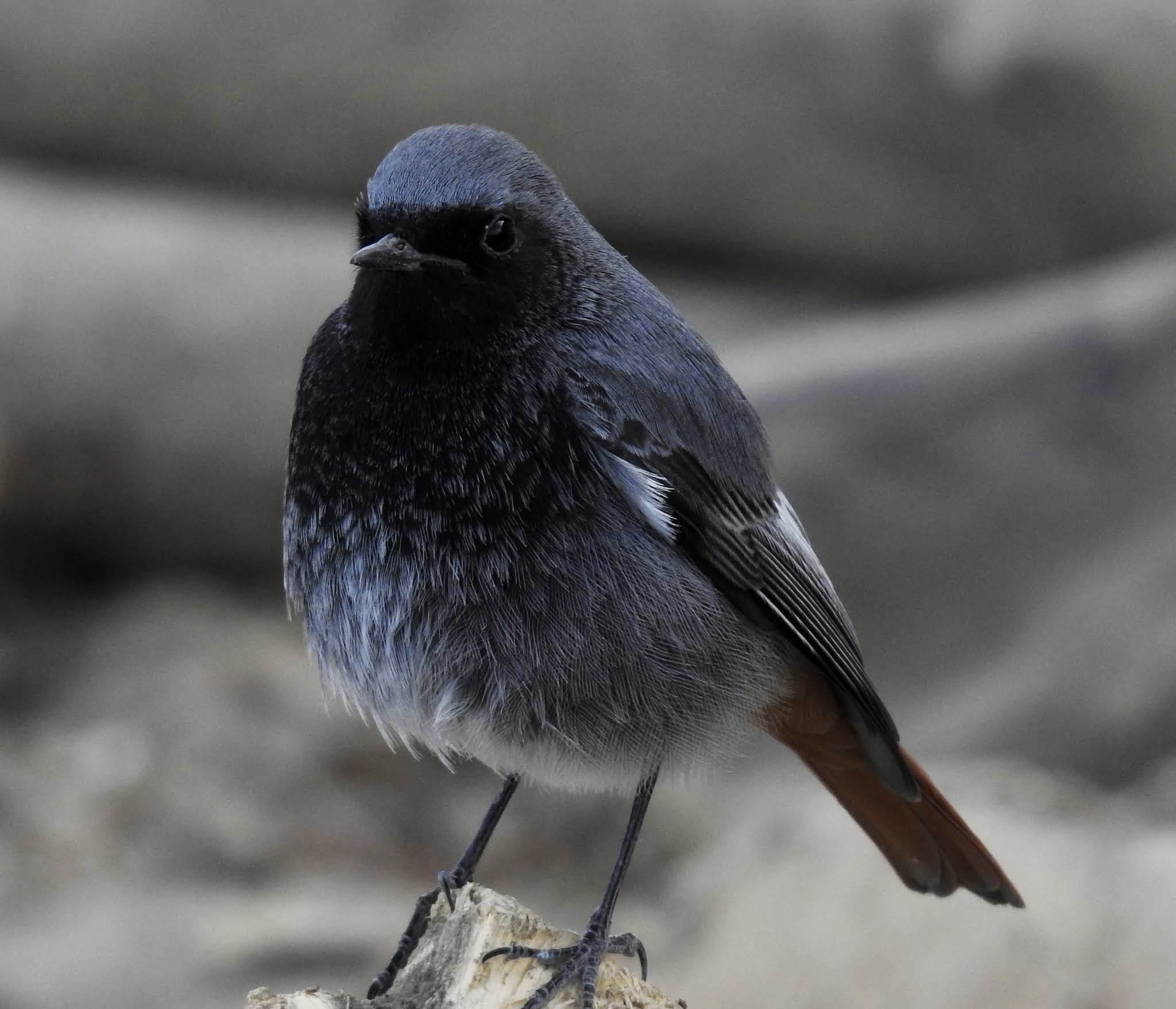
And in the wood yard the smartest cock around, a male Black Redstart - Collirrojo Tizón perched feet away on the edge of the log pile. The Coolpix 900 came into play again!


Rain is forecast and that will be good, but with Covid restrictions being enforced from 6th January our adventures out there will be become even more important as bars will have to shut at 5pm. 


Monday, 4 January 2021

GAME KEEPERS RESTRICTED BY NEW LEGISLATION 

The law has changed making it illegal to kill species to protect birds reared to be shot. The question I would ask is will it change anything? Old habits are relinquished slowly, old customs and traditions are hung onto. The ‘bloody mindedness’ of some will make them want to carry on as before. I know from the list of poisoned and shot raptors. 


WILD JUSTICE has published their 47th newsletter and what a great job they do. Their lead on this is ‘WHAT DO GAMEKEEPERS DO?’  This is what they say.

Following reforms introduced as a result of Wild Justice's legal challenges, the job description for gamekeepers in England has changed dramatically. No longer is it legal to kill corvids to protect the adults, chicks or eggs of wild Pheasants and Red-legged Partridges under general licences issued by DEFRA. Under the terms of the conservation licence, General Licence 40, published on Friday for 2021, corvids can only be killed to conserve red-listed and amber-listed bird species of conservation concern and not the 60 million non-native Pheasants and Red-legged Partridges released into the UK countryside in a normal, non-COVID-affected year.
 
The Red and Amber lists of species of conservation concern include two main commonly-shot gamebirds; Grey Partridge (Red List because of large population decline) and Red Grouse (Amber List). 
 
Captive gamebirds, such as in rearing facilities or release pens are classed as livestock and if serious damage occurs (which it hardly ever does) then corvids can be killed but only if non-lethal methods are impracticable (see General Licence 42).  However, after release in late summer those captive-bred birds are no longer classed as livestock and cannot be protected by killing of corvids.
 
For most circumstances, the 'protection' of the two gamebird species shot in highest numbers (Pheasant 15m/year, Red-legged Partridge, 4+m/year) no longer provides a lawful purpose for killing corvids under the general licences.
 
Wild Justice suggests that a number of websites describing the role of gamekeepers, particularly lowland gamekeepers, will need to be updated to catch up with this legal change.  Gamekeepers operating crow traps will have to learn a new vocabulary to explain to the public what they are doing and why.

The job of a gamekeeper in England, particularly a lowland gamekeeper, is different in 2021 from what it has been for decades before.
 

Friday, 1 January 2021

MY YEAR END THOUGHTS ON OUR BIRDING ACTIVITIES IN 2020

The summer onwards was a damn sight better than the first half of the year. Physically and legally able to ‘get at it’ again was a real boost. Eventually and working hard at it I was able to boost Bryan’s cheerfulness to just over neutral! He’s always looking for that mega bird. But we had some great experiences. Sometimes just the two of us and sometimes with Michelle. Well it was no good that Coolpix 900 sitting at home was it?


I love the mountains and Monnegre gave us a family of Trumpeter Finches and also my second sighting of Alpine Swifts and a fly past of two Golden Eagles.


Clot de Galvany gave us a feeding frenzy of Gulls and Little Egrets that included a dark morph bird indicating a Western Reef Heron X Little Egret. Bryan's sharp eyes picked it out. That's not all as Kingfishers flew around us and we had so many marvelous views. The number probably indicating that they had bred here this summer. These beautiful birds are one of Michelle's favourite. There was stacks of other stuff too.


The lagoons close to the information centre at San Felipe Neri finally paid us back. They drained the water, exposed the mud and the birds loved it. Really close up views of Dunlin, Little & Temminck’s Stints and more besides. It is a conservation exercise and the water is back in.


Flooded fields are what we want and we get them from time to time. We have not seen so many Wood Sandpipers before in one season and all the other waders too. Our last trip yielded two Greenshanks with them and giving a wonderful clear close up image. They normally are on some shady edge across the lagoon.


This winter the large flocks of Serin are a joy to watch. They need checking out as there are Linnets, Goldfinches, Pipits and some vividly marked Green Finches. Skylarks also in flocks. Seeing the flocking birds is a marvelous sight.


Often over looked, Starlings, can be impressive. At Urba Nova they swarmed into the Olive Trees and then went up and I witnessed my first murmuration in Spain. Recently we saw a flock on the ground and we could see they were our winter visitors from up north with a few Spotless ones among them.


A few weeks ago four Golden Plovers were feeding on worms close to the road. They were gorgeous and yesterday some more in a field with over one hundred Lapwing. Another iconic bird.


Sierra de Toledo was a great experience and again we had clear views of Spanish Imperial Eagles and Michelle had her first day time view of an Eagle Owl. 


So many to choose from, but my birds of the year have to be the family of Barn Owls that lived across the road from our front door. Gone now and hopefully they will be back. We saw one the other night flying.


So much to see and places to go. Clear images is what we look for and we get them most times. Here’s to another successful year and birding as well.


Meeting with like-minded people and spending time with them and then the birds is what I love doing. We live near a real and fantastic birders paradise. It's there to be enjoyed.